Best Guide to Building a Log Cabin: Practical DIY Plans and Tools
Building a log cabin is a classic DIY project that blends rustic charm with modern practicality. This guide highlights accessible resources and reliable product ideas to help you plan, assemble, and furnish a small to mid-size log cabin using straightforward methods and commonly available tools. The following selections focus on beginner-to-intermediate needs, from fundamental construction references to kid-friendly play cabins that inspire real-world design thinking.
| Product | Brand | Type | Key Benefit |
|---|---|---|---|
| How to Build and Furnish a Log Cabin: The Easy, Natural Way Using Only Hand Tools and the Woods Around You | Wiley | Instructional Book | Natural, tool-light guidance for authentic log cabin building |
| Compact Cabins: Simple Living in 1000 Square Feet or Less | Storey Publishing | Reference Book | Small footprint design ideas and efficiency tips |
| Lincoln Logs Adventure Pod Cabin | Lincoln Logs | Toy / Model Set | Hands-on concept modeling for cabin ideas |
| Build Your Own Low-Cost Log Home (Garden Way Publishing Classic) | Storey Publishing | Reference Book | Budget-friendly construction approaches |
| “How To” Build This Log Cabin for $3,000 | Brand: Prairie Wolf | Instructional Book | Demonstrates cost-conscious cabin building |
Below are five relevant products pulled from reputable sources. Each section includes a brief overview, relevant features, and practical considerations to help you compare options for your own log cabin project.
How To Build And Furnish A Log Cabin

This instructional book provides a natural, hands-on approach to building and furnishing a log cabin using only hand tools and locally sourced wood. It emphasizes practical techniques, material selection, and sustainable practices that align with rustic living. Readers will find step-by-step guidance on framing, log selection, and interior layout, making it a solid foundation for beginners and seasoned hobbyists alike. The language is approachable, with project ideas you can adapt to different climates and site conditions.
Compact Cabins: Simple Living In 1000 Square Feet Or Less

This guide explores efficient, small-footprint cabin designs. It presents space-saving layouts, storage solutions, and climate-conscious construction strategies. The book is valuable for readers who want to maximize livable area without sacrificing comfort or aesthetics. It also covers basic maintenance considerations for compact homes and outlines examples of floor plans suitable for northern or temperate environments.
Lincoln Logs Adventure Pod Cabin
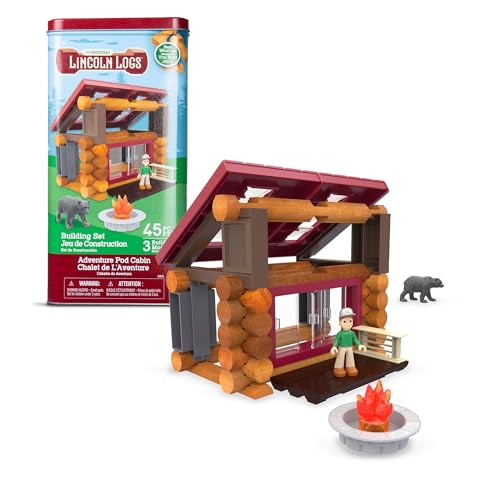
This toy set mixes real wood logs with sturdy plastic components to create a miniature cabin. It’s designed for imaginative play and can serve as a hands-on way to explore cabin concepts before committing to full-scale construction. The kit includes figures and accessories that encourage narrative building, while the wooden elements provide a tactile sense of joinery and structure that can inspire future design ideas.
Build Your Own Low-Cost Log Home

This classic reference from Garden Way Publishing focuses on economical methods for constructing a log home. It covers the essentials of sourcing materials, planning budgets, and selecting appropriate log profiles. The guidance is suitable for readers aiming to minimize upfront costs while maintaining structural integrity and a traditional log-home aesthetic. It also discusses maintenance and long-term sustainability considerations for smaller, cost-conscious builds.
“How To” Build This Log Cabin For $3,000

This budget-focused manual demonstrates building a functional log cabin with a modest investment. It outlines design choices, material sourcing, and essential construction steps that help readers manage costs without sacrificing safety or durability. The content is particularly useful for hobbyists and aspiring homeowners who want to see what’s feasible with a limited budget and accessible resources.
Buying Guide: Key Purchase Considerations
- Project scope and goals: Define cabin size, climate, and intended use (primary residence, getaway, or studio) to select appropriate plans and materials.
- Budget and cost management: Consider initial build costs, long-term maintenance, and potential energy efficiency upgrades. Look for plans that emphasize durability and low operating costs.
- Materials and sourcing: Decide between traditional logs, log-style siding, or hybrid construction. Factor in availability of timber, insulation needs, and local building codes.
- Tools and labor: Assess whether you will build with hand tools or require power tools. Some resources advocate hand-tool methods; others emphasize modern fasteners and machinery for speed and precision.
- Foundation and site preparation: Proper site leveling, drainage, and foundation selection are crucial for stability and longevity of a log structure in varying climates.
- Design and energy efficiency: Prioritize airtight joints, proper sealing, venting, and insulation to improve energy performance and comfort year-round.
- Maintenance and longevity: Plan for ongoing staining, weatherproofing, and seasonal checks to protect wood from moisture, pests, and UV exposure.
- Permits and codes: Verify local regulations and permit requirements, especially for full-time residences and structures with differing occupancy classifications.
- Safety and labor considerations: If not using professional builders, ensure you have training or supervision for critical joins, log handling, and safe ladder usage.
- Future expansion: Consider modular or expandable designs that allow adding space as needs change without compromising integrity.
The selections above span instructional resources, design references, and kid-friendly models to help readers evaluate feasible paths toward a real log cabin. When planning, use the buying guide to balance your aesthetic goals with practical constraints like budget, climate, and available labor. This approach supports a well-informed, stepwise progression from idea to finished cabin.