Best Wind Vane Direction Indicator for Boats and Yachts
Choosing a reliable wind vane direction indicator helps sailors track wind direction accurately, improving sail trim and performance. This guide highlights top options for American boaters, from rugged marine-grade models to compact dinghy indicators. Read on to compare visibility, mounting, and sensitivity to find the right wind vane for your vessel’s size and needs.
The table below summarizes five reviewed products to help you quickly compare key details like suitability, visibility features, and mounting options.
| Product | Best For | Visibility | Mounting / Size |
|---|---|---|---|
| Five Oceans 14-1/2-Inch FO2080 | Sailboats and larger vessels | Reflector tape for day/night visibility | Through-bolt; 5/16″ stainless stud |
| Windex 10C | Cruisers and racers on mid-sized boats | Reflector tape; highly recognizable silhouette | Standard mast socket; complete package |
| Davis Instruments 3150 WindTrak | General sailboats needing reliable data | Basic wind vane with standard visibility | Suspension bearing design |
| Aramox Weather Vane | Yacht and sailboats; stainless steel build | Day and night visibility via luminous base | 304 stainless steel construction |
| Hawk Wind Indicator MK2 | Dinghies and small vessels | Bright colors; mounted at gooseneck height | Front-mast gooseneck mounting |
Note: This article presents objective product features and mounting considerations to help you compare options without promoting any single brand. Prices are not included here.
Five Oceans FO2080 Wind Direction Indicator
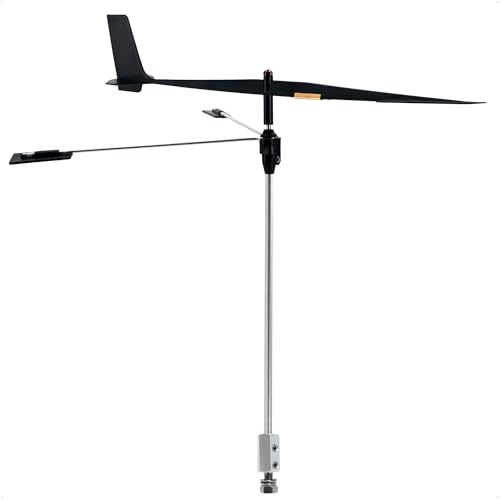
The Five Oceans FO2080 is designed for sailboats and larger vessels (around 15 feet and up). Its vane length is 14-1/4″ with a 13″ height, ensuring good visibility on moderate to high gusts. It uses a through-bolt mounting system with a 5/16″ stainless steel stud, washers, and nut for secure installation. The unit includes a ball bearing sensitive vane for smoother operation and maintains accuracy in light breezes. Reflector tape on the vane and tacking tabs enhances visibility during day and night sailing.
Windex 10C – Wind Direction Indicator
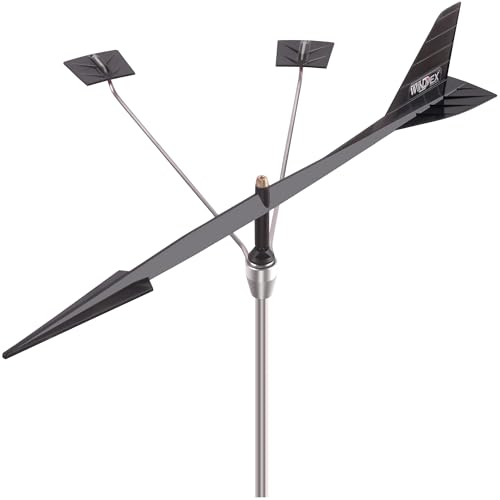
The Windex 10C provides a complete wind direction package for sailboats in the 10–20 foot range. It includes the vane unit, supporting rod, index arms, and mast socket for straightforward installation. Visibility is enhanced by reflector tape and tacking tabs, making it easy to read in sun or shade. Windex is renowned for accuracy and reliability, supporting cruising and racing with a strong balance of performance and durability.
Davis Instruments 3150 WindTrak

The Davis 3150 WindTrak Wind Indicator uses a suspension bearing design to provide stable wind readings. This model is a practical choice for sailors seeking a dependable vane on mid-sized vessels. Its compact form and lightweight construction facilitate simple mounting and maintenance. While not the flashiest option, it delivers consistent performance in varied wind conditions, aligning with Davis Instruments’ reputation for durable marine instruments.
Aramox 304 Stainless Steel Weather Vane

This weather vane is crafted from marine-grade 304 stainless steel, offering lightweight yet durable performance for yachts and sailboats. It features high sensitivity with a low wind-start threshold and luminous visibility for day and night readings. The stainless construction resists rust and corrosion, making it suitable for long-term outdoor use on saltwater vessels. The design prioritizes reliability and ease of reading in challenging conditions.
Hawk Wind Indicator MK2

The Hawk Wind Indicator MK2 is designed for dinghies up to about 6 meters. It mounts at the front of the mast at gooseneck height and uses a fully UV-protected, multicolored vane (red) for high visibility. This unit emphasizes quick readability in small sailboats where wind shifts can occur rapidly. Its forward-mount design helps reduce obstruction and ensures a clear line of sight for the crew.
Buying Guide: Key Purchase Considerations
When selecting a wind vane direction indicator, consider the following factors to balance performance, maintenance, and environment:
- Vane size and mounting: Large boats benefit from longer vanes for better distant visibility, while dinghies require compact, lightweight options. Check bolt patterns and the mounting socket compatibility with your mast or deck.
- Visibility features: Reflector tape and tacking tabs improve readability in bright sun or low light. Some models include luminous bases or color-coded vanes for quick recognition.
- Material and durability: Marine-grade stainless steel resists corrosion in saltwater. Aluminum or fiberglass vanes reduce weight but may wear faster in harsh conditions. UV protection extends life.
- Mounting reliability: Through-bolt or deck-mocket designs affect stability. Ensure the mounting hardware includes washers and nuts, and that the vane sits with minimal play to prevent noise and vibration.
- Sensitivity and start wind: Higher sensitivity helps detect light winds, while a higher starting threshold may suit boats in consistently windy environments. Ball bearing or low-friction pivot points improve movement.
- Maintenance: Look for simple disassembly for cleaning and lubrication. Ensure replacement parts and spares are readily available for the model you choose.
- Visibility in diverse conditions: Day and night readability is essential for safe navigation. Consider models with reflective or luminous components for low-light sailing.
- Compatibility with vessel type: Dinghies, mid-sized cruisers, and yachts have different mounting heights and sail plan exposures. Select a vane sized for your typical wind range and mast location.
By evaluating these factors, you can select a wind vane direction indicator that aligns with your sailing style, vessel size, and typical water conditions—maximizing awareness of wind shifts, sail trim opportunities, and overall safety on board.